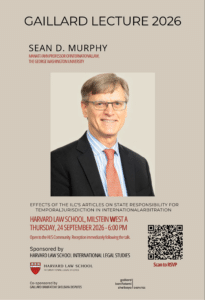
 On September 24, 2026, Professor Sean D. Murphy delivered the fifth annual Gaillard Lecture at Harvard Law School, examining how tribunals determine their temporal jurisdiction under investment treaties. Co-organized by Gaillard Banifatemi Shelbaya Disputes and Harvard Law School’s International Legal Studies program, the lecture honored Emmanuel Gaillard, the firm’s late founding partner, and was the first in the series to take place in the United States.
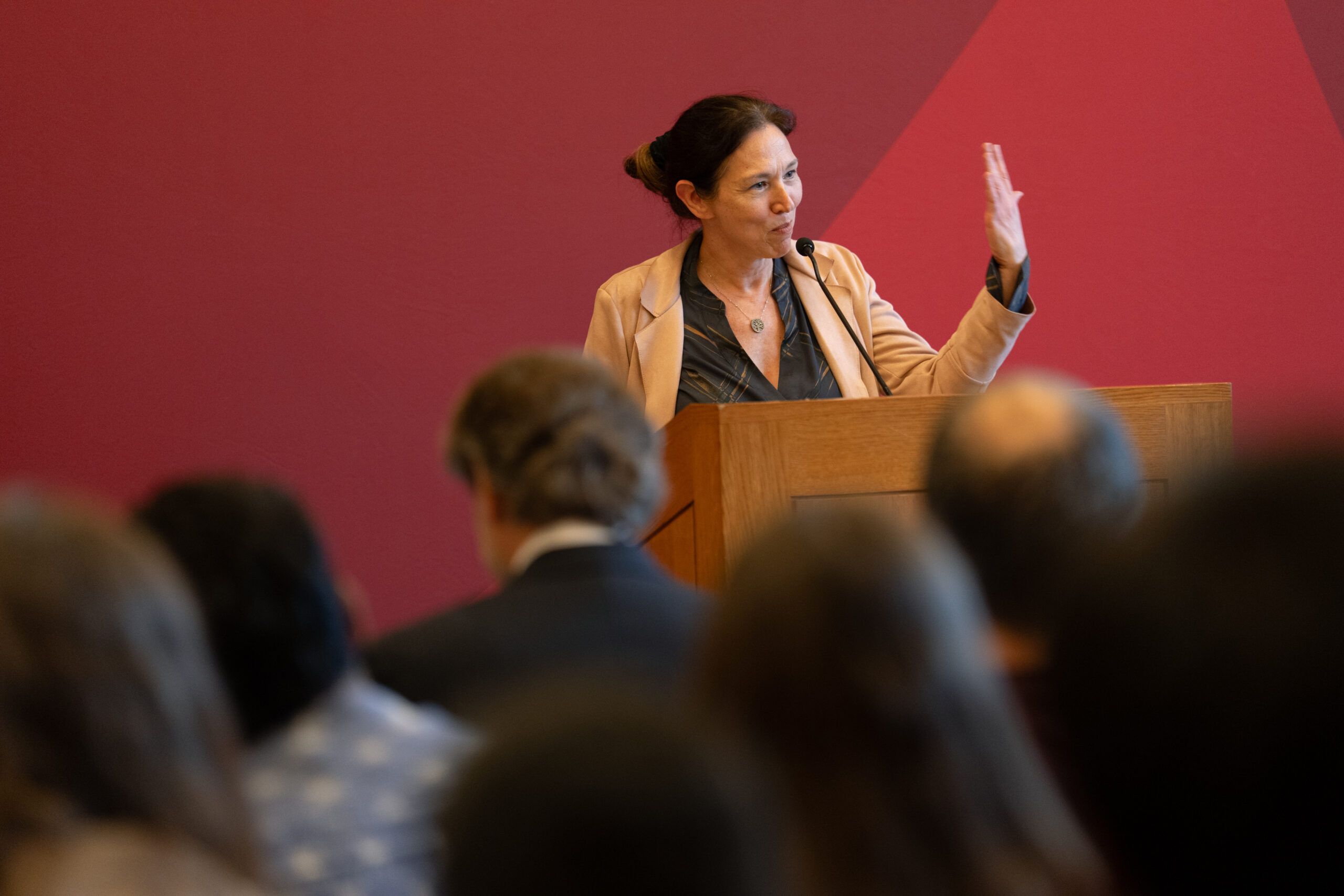
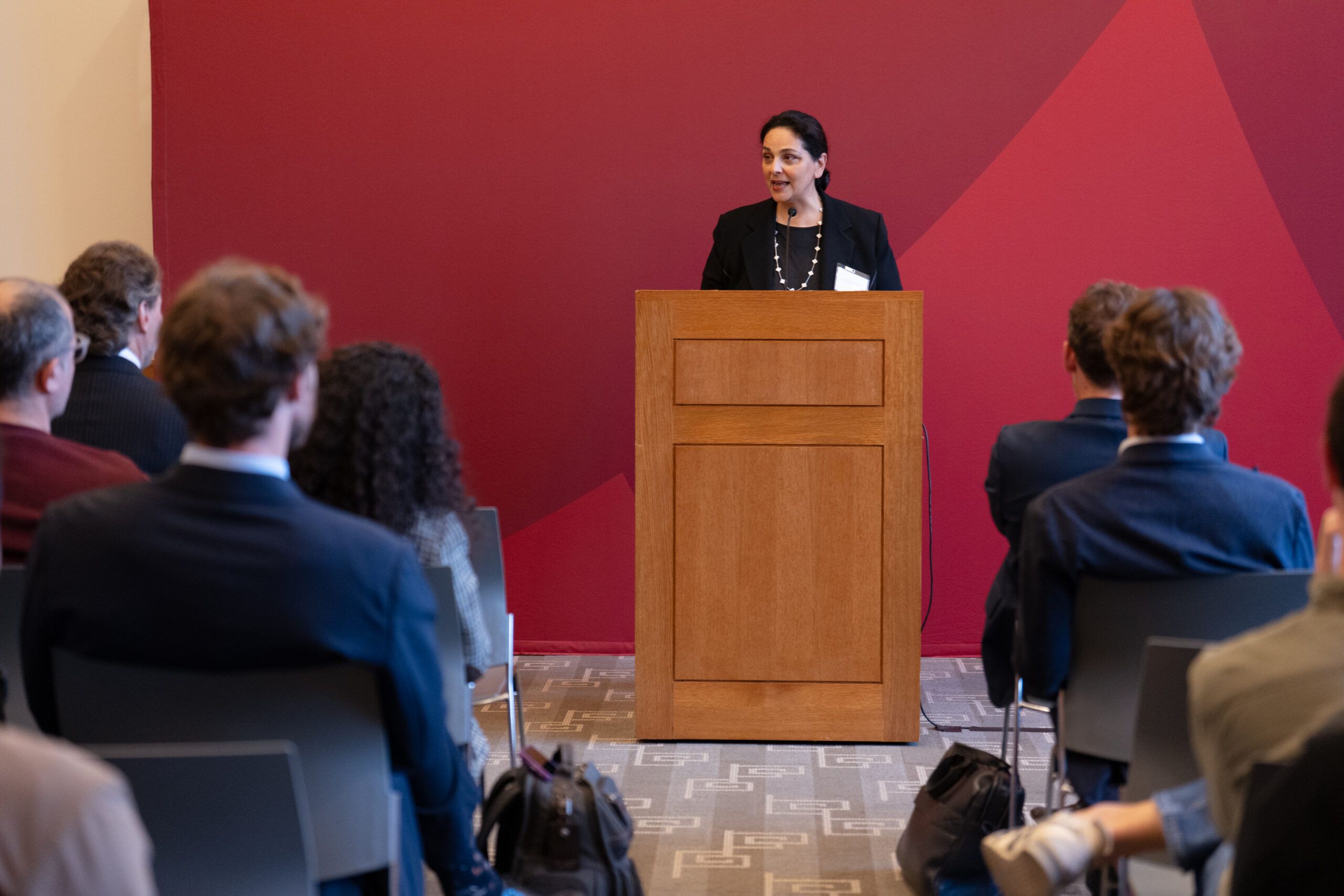
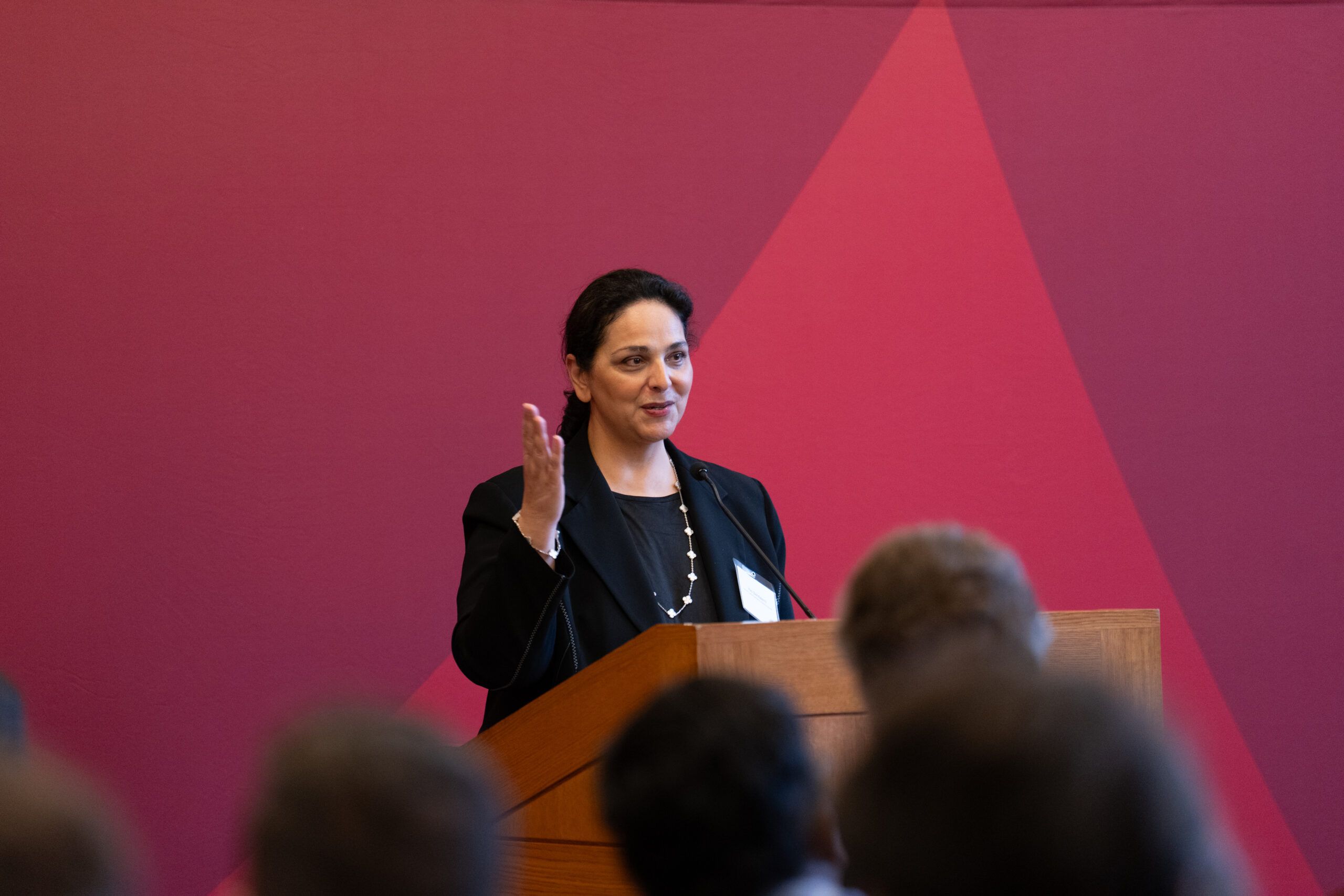
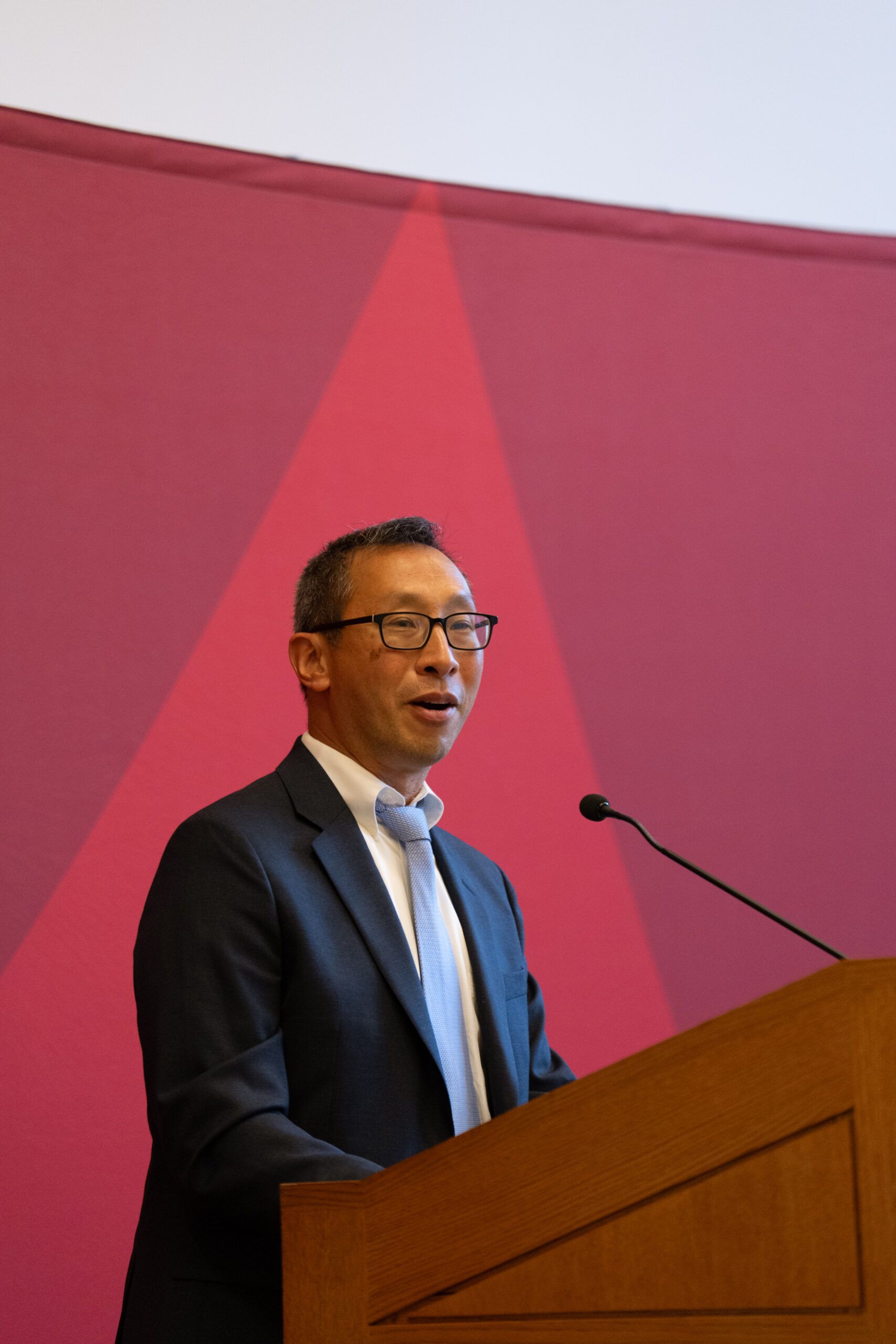
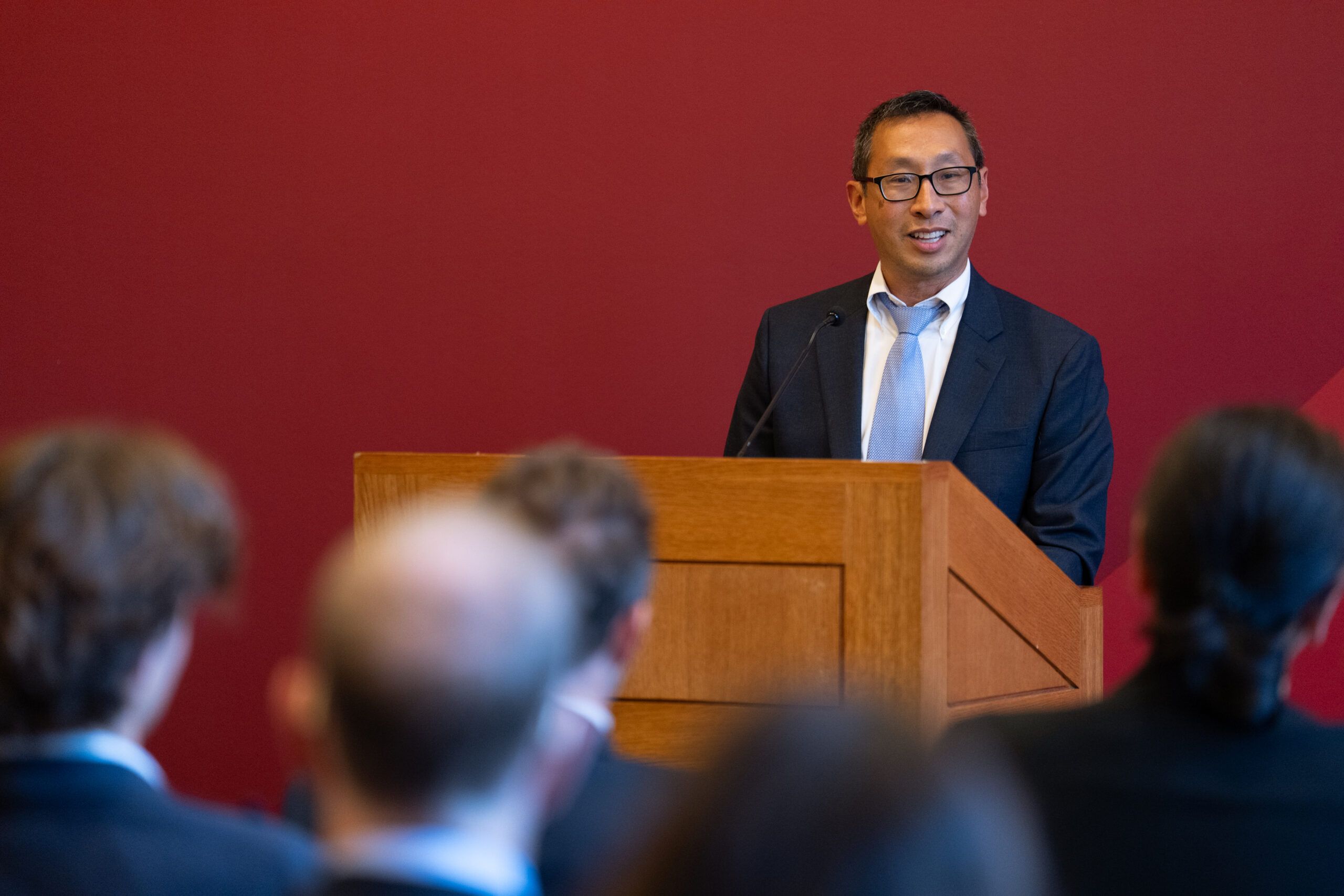
Opening remarks by Vice Dean and Professor Gabriella Blum, Professor and firm founding partner Yas Banifatemi, and Professor Mark Wu recalled Gaillard’s intellectual legacy.
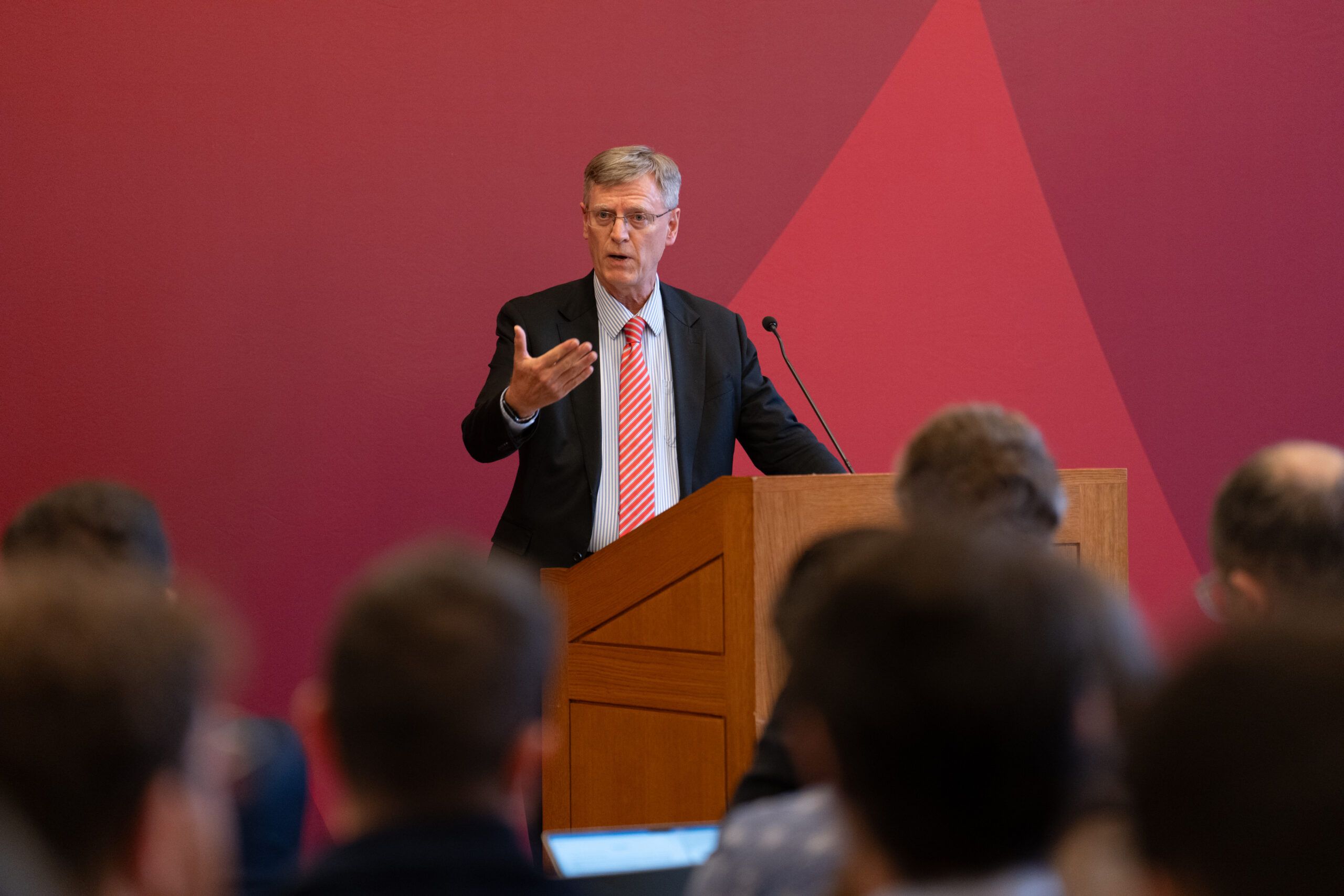
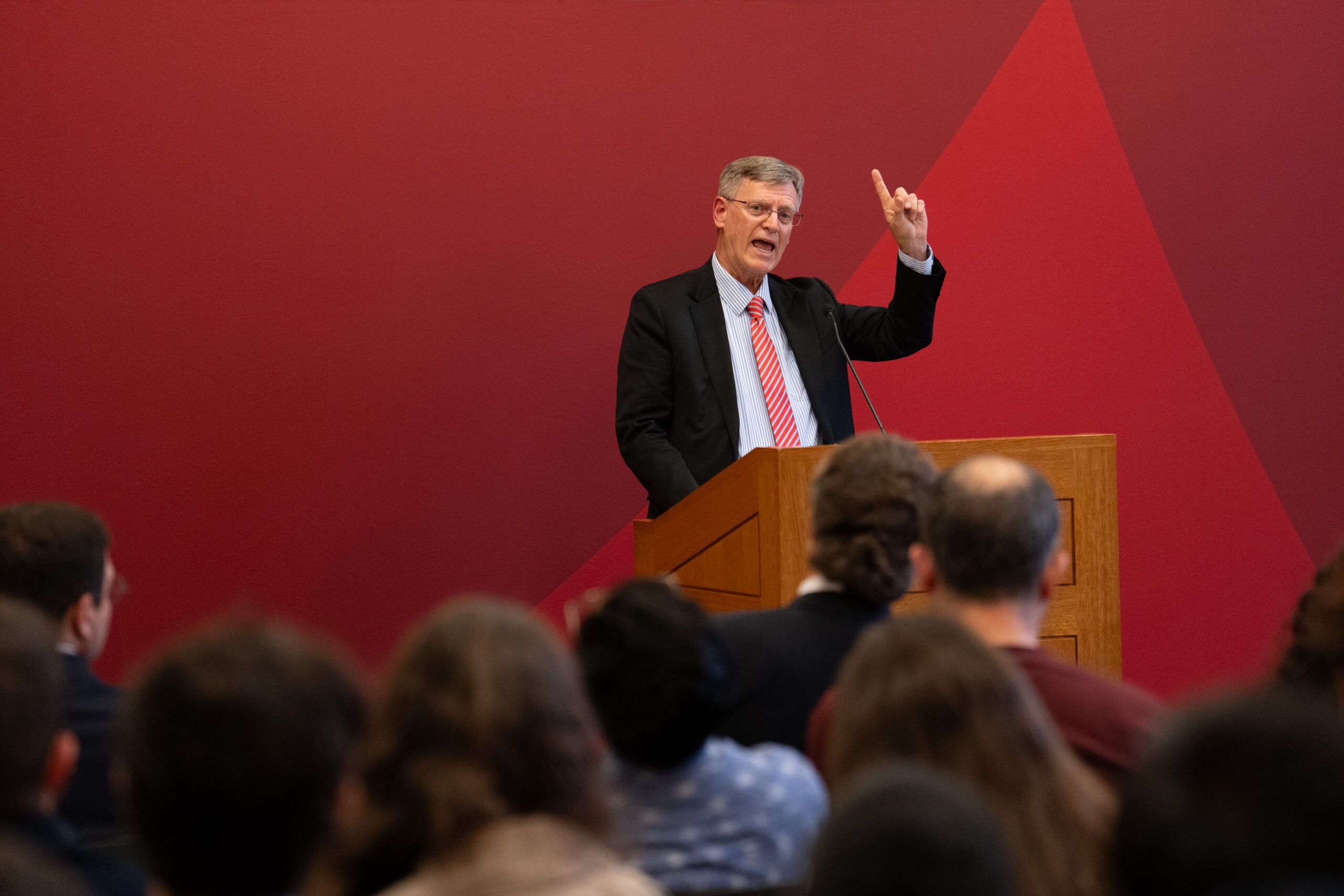
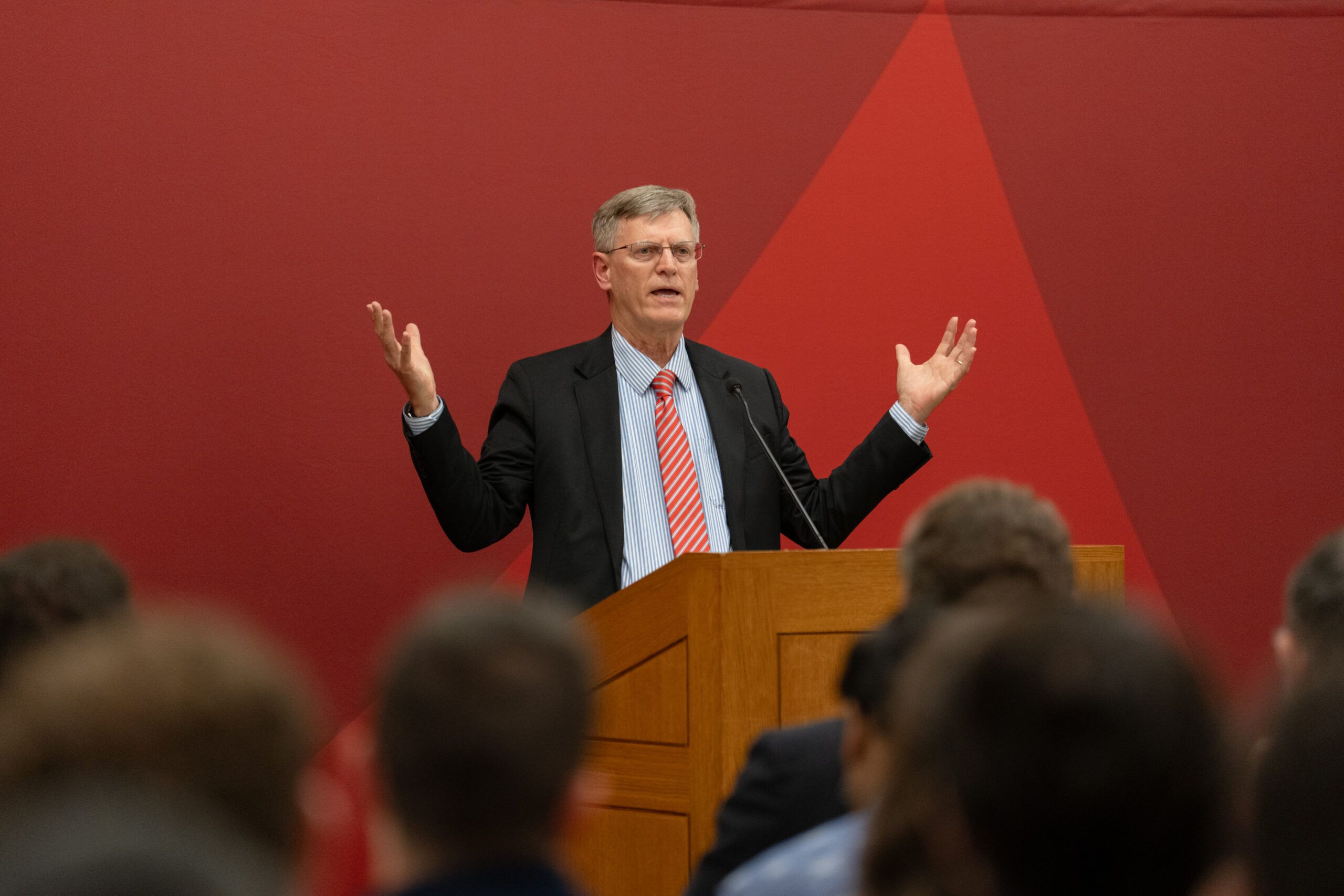
Professor Murphy, the Manatt/Ahn Professor of International Law at the George Washington University Law School and a former member of the U.N. International Law Commission (ILC), drew on his experience as counsel and arbitrator in international disputes. He emphasized that the ILC Articles on State Responsibility provide a sound framework for addressing temporal jurisdiction, with the treaty’s own terms remaining the central focus. He distilled 25 years of investment tribunal decisions into six propositions.
Professor Murphy’s starting point was the rule on non-retroactivity. A treaty’s substantive obligations generally bind a State only once the treaty enters into force. Earlier conduct may help establish a later breach, but the breach itself must occur after that date. A related requirement, he noted, concerns the investment and the investor. Even where a treaty is in force, the investment must exist and the claimant must qualify as an investor under the treaty at the time of the alleged breach.
The next two propositions concerned the scope of consent to arbitration. Where a treaty confines arbitration to breaches of its own substantive obligations, the tribunal cannot hear claims that conduct predating its entry into force breached those obligations. Where arbitration is not confined in this way, express provisions governing when disputes must arise determine the tribunal’s temporal jurisdiction. Treaty parties may exclude earlier disputes or expressly bring them within its reach.
His final two propositions addressed treaty silence and the circumstances in which tribunals may nevertheless exercise jurisdiction over earlier conduct. Where a treaty specifies neither whether arbitration is confined to treaty breaches nor whether it covers earlier conduct, tribunals generally decline jurisdiction over disputes based on that conduct, even when claimants invoke customary international law or contractual obligations. That tendency can nevertheless be overcome where the treaty parties’ intention supports jurisdiction, including in certain cases involving amendments expanding access to arbitration, successive treaties with similar protections, or pre-existing national investment laws providing for arbitration.
Against this background, Professor Murphy examined claimants’ attempts to circumvent non-retroactivity barriers by framing alleged violations as continuing breaches extending beyond a treaty’s entry into force, as illustrated by prolonged judicial delay considered in Chevron v. Ecuador. He stressed that such claims require continuing wrongful conduct, rather than merely the continuing effects of a completed act. He also addressed composite acts, such as creeping expropriation, where a series of measures becomes sufficient, taken together, to constitute a breach after the treaty enters into force.
He concluded that divergent decisions on temporal jurisdiction do not necessarily reveal inadequate legal rules. Complex facts contribute to apparent inconsistencies, and closer examination may reveal greater coherence in the decisions. He cautioned that overly detailed codification could fail to capture the diversity of investment treaties and inhibit the development of the law. He favored allowing tribunals to clarify and develop the law incrementally through its application to concrete cases.
By connecting the ILC’s framework with its application in investment arbitration, Professor Murphy’s lecture reflected Emmanuel Gaillard’s commitment to both scholarship and practice. The annual Gaillard Lecture continues to honor that legacy through discussion of important legal questions with direct consequences for modern international dispute resolution.
Report by Yuri Parkhomenko.
Read here the Event’s Harvard Law School Report: Rebecca Beyer, “Can investment treaties apply retroactively? Not generally”, in Harvard Law Today (Harvard Law News), 1st October 2026
To find out more about Emmanuel Gaillard’s writings, please refer to his extensive bibliography.
Please find below the video of the lecture, and a selection of photos.
-

- Professor Gabriella Blum
-

- Professor Yas Banifatemi
-

- Professor Yas Banifatemi
-

- Professor Mark Wu
-

- Professor Mark Wu
-

- Professor Sean D. Murphy
-

- Professor Sean D. Murphy
-

- Professor Sean D. Murphy
-

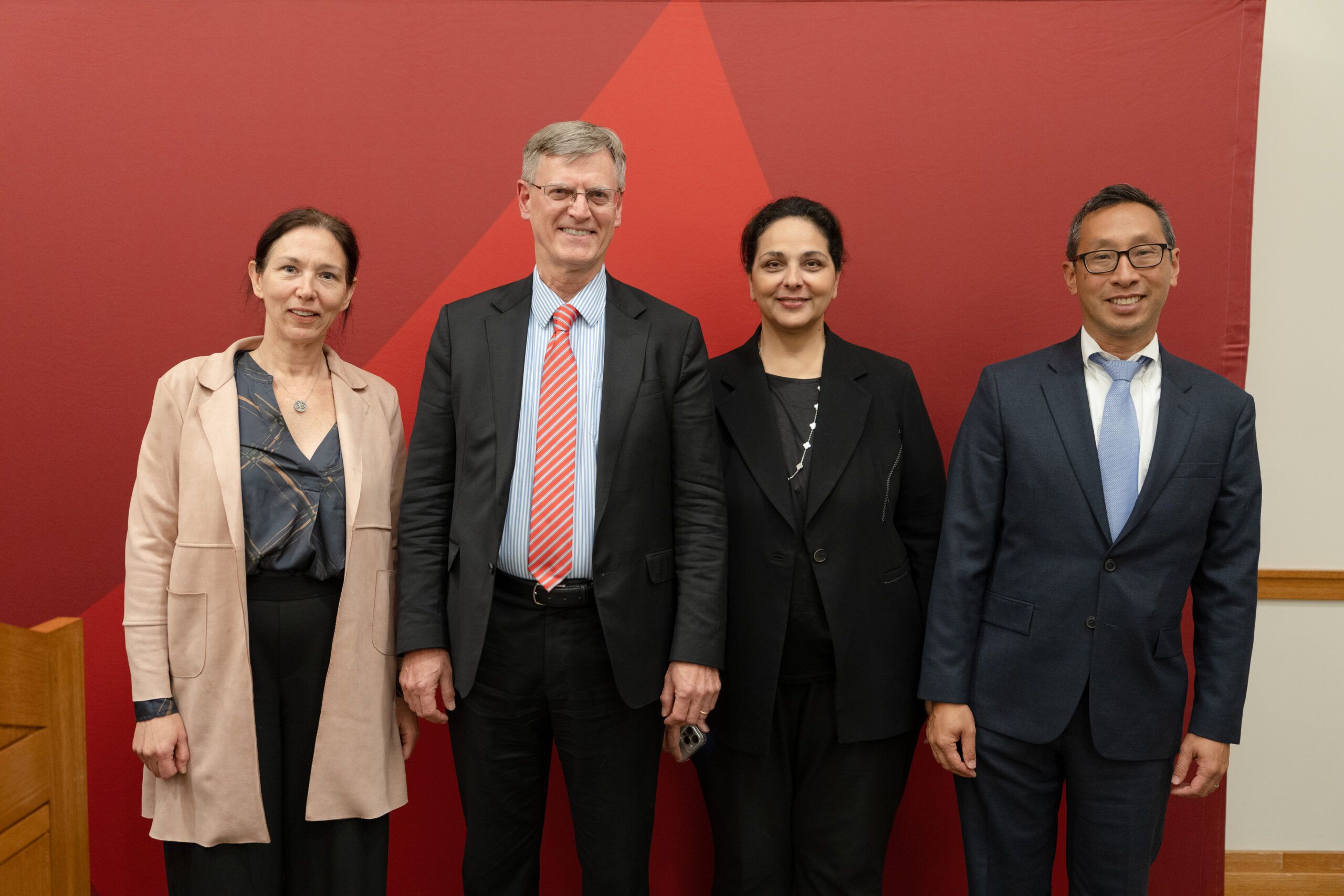
- Professors Gabriella Blum, Sean D. Murphy, Yas Banifatemi and Mark Wu
-

- Cocktail Reception

-

- Cocktail Reception

Photos Copyright © 2026 Harvard (Credit to Jodi Hilton). All rights reserved.